Quiet Disruptions, Big Problems: What's Brewing in the Receipt Paper Supply Chain and How to Protect Your Business
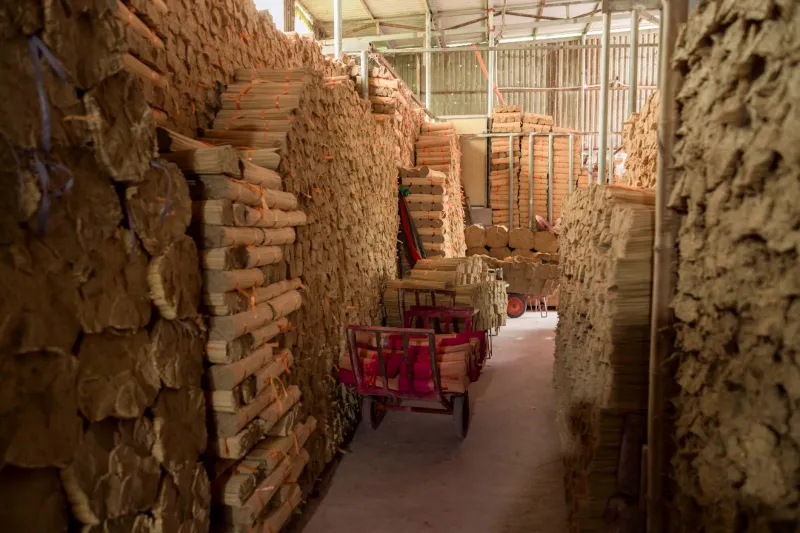
Most small business owners don't spend a lot of time thinking about where their receipt paper comes from. You order a case, it shows up, you load the rolls, and life goes on. Simple enough, right?
Except the system that delivers that case to your door is under more strain than it's been in years — and the warning signs are getting harder to ignore. If you've noticed longer wait times from your usual supplier, unexpected price bumps, or oddly vague "out of stock" messages lately, you're not imagining things. There's something real happening behind the scenes, and small businesses are likely to feel it most.
Let's break down what's actually going on and, more importantly, what you can do to keep your register running no matter what.
The North American Paper Manufacturing Picture Isn't Pretty Right Now
The thermal paper market — which is what most modern receipt paper is — depends on a surprisingly fragile web of raw materials, specialty coatings, and regional manufacturing capacity. And that web has been fraying.
Several North American paper mills that produced thermal stock have either scaled back operations or shifted focus toward higher-margin products in recent years. That's partly a response to declining print volumes overall, partly a cost issue, and partly the result of consolidation across the paper industry. When a mid-sized mill in the Southeast or the Midwest reduces thermal paper output, it doesn't make headlines. But it does quietly reduce the available supply in the regional distribution chain.
At the same time, the chemical coatings that give thermal paper its heat-reactive properties — the stuff that actually makes your printer print — rely on inputs that come from overseas suppliers, many of them based in Asia. Global logistics disruptions, currency fluctuations, and shifting trade dynamics have all added unpredictability to that part of the supply chain as well.
The result? Lead times that used to be measured in days are now sometimes stretching to weeks. And for a business that runs through receipt paper fast, that gap matters.
Why Small Businesses Feel It First
Large retail chains have dedicated procurement teams, long-term supplier contracts, and warehousing capacity that lets them buffer against supply hiccups. Your average independent retailer, food truck operator, or salon owner? Not so much.
Small businesses typically order on an as-needed basis, which means they're buying at spot prices from distributors who are themselves managing tighter inventory. When supply gets squeezed, it's the smaller, lower-volume customers who get pushed to the back of the line — or who end up absorbing the price increases that larger buyers have already negotiated around.
There's also the substitution problem. When your usual roll size or paper spec is unavailable, you can't just grab any thermal roll off the shelf and expect it to work. The wrong width, core size, or coating compatibility can cause jams, poor print quality, or even damage to your printer. So "just order something else" isn't always a real option.
Rethinking How You Stock Up
The old approach — order when you're almost out — made sense when supply was reliable. In the current environment, it's a liability. Here's how to think about it differently.
Build a rolling buffer, not a just-in-time supply. A good rule of thumb is to keep at least four to six weeks of receipt paper on hand at all times, rather than the one to two weeks that many small businesses default to. Yes, that means more upfront spend, but it also means you're buying when supply is available rather than when you're desperate.
Track your usage so you can predict your needs. It sounds basic, but a surprising number of businesses don't know exactly how many rolls they go through in a typical week. Spend a month tracking it, and you'll have a much clearer picture of when to reorder — and how much buffer you actually need.
Set a reorder trigger, not a reorder crisis. Instead of ordering when you open your last box, set a threshold — say, when you're down to your last two weeks of supply — that automatically prompts a reorder. This gives you enough runway to handle a delayed shipment without hitting zero.
Diversify Your Supplier Relationships
Relying on a single supplier felt fine when supply chains were stable. Right now, it's a single point of failure. Building relationships with two or three suppliers — including at least one that stocks locally or regionally — gives you options when your primary source runs dry.
Sites like Free Receipt Paper exist precisely because small businesses need access to reliable, competitively priced stock without having to navigate complex wholesale channels. Bookmarking a few trusted sources and checking in on pricing and availability periodically is a low-effort way to stay aware of what's out there.
Also worth knowing: some distributors offer backorder alerts or in-stock notifications. Signing up for those can give you a heads-up before a shortage hits your area, rather than after.
Bulk Buying Without Breaking the Bank
Bulk purchasing is one of the most effective hedges against supply chain disruption, but the upfront cost can feel steep for a small operation. A few ways to make it more manageable:
-
Look for case pricing with free shipping. The per-roll cost drops significantly when you buy by the case, and many suppliers will absorb shipping costs at that volume. Do the math on what you'd spend buying smaller quantities over the same period — the savings are often substantial.
-
Split a bulk order with a neighboring business. If you've got a fellow retailer nearby who uses the same roll spec, coordinating a shared bulk order can get you both into case pricing without each of you carrying the full inventory.
-
Time your big orders strategically. Supply chain stress tends to be seasonal — post-holiday restocking crunches, summer shipping slowdowns, and Q4 demand spikes all create predictable pressure points. Placing a larger order in the quieter months (late winter and early summer tend to be more stable) can help you avoid both stockouts and price surges.
Don't Wait for the Disruption to Find You
Supply chain problems have a way of feeling abstract until the moment they're very, very real. A busy Saturday afternoon with a line out the door and no receipt paper in the back room is not the time to discover your supplier is backordered for two weeks.
The businesses that navigate supply volatility best are the ones that treat their consumables supply — including receipt paper — as something worth actually managing, not just reacting to. A little planning, a slightly larger buffer stock, and a backup supplier relationship can make the difference between a minor inconvenience and a genuine operational headache.
At Free Receipt Paper, we're here to help you stay stocked up without overpaying. But the most important thing we can tell you right now is this: don't wait until you're out to start thinking about where your next roll is coming from.