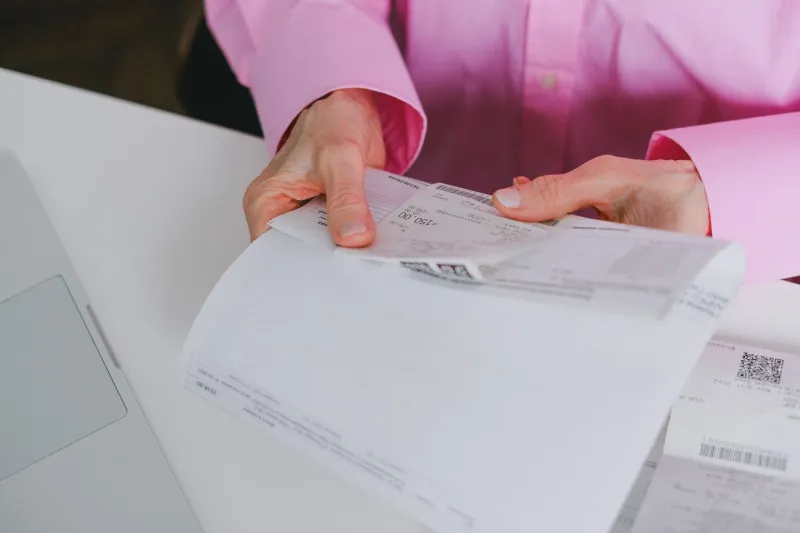
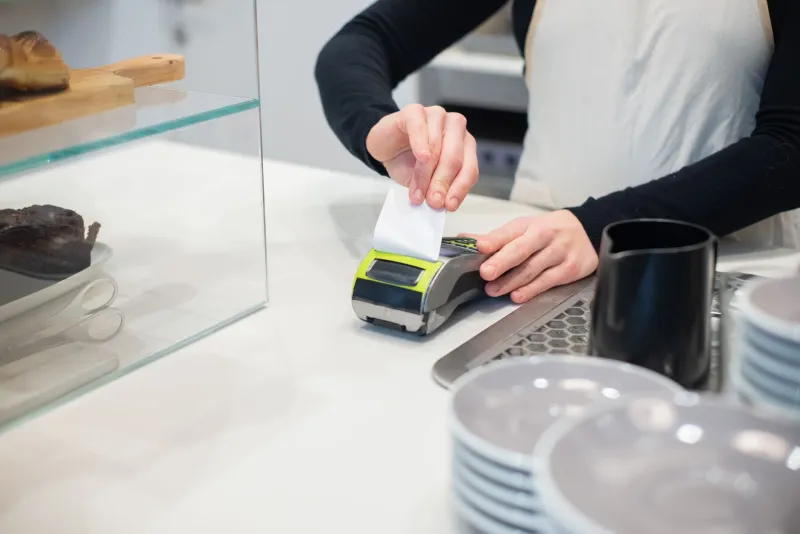
Your Used Receipt Rolls Might Be Worth Real Money — Here's How to Cash In

Every retailer knows the routine. The receipt printer runs out, you swap in a fresh roll, and the old core — along with whatever scraps of paper are still wound around it — gets tossed in the trash or a recycling bin. Done. Forgotten.
But what if that little cardboard tube and its remaining paper wrap were actually worth something? Not a fortune, sure. But in a world where small business margins are razor-thin, "something" adds up. And for businesses burning through dozens or even hundreds of rolls a month, the math starts to look a lot more interesting.
Let's dig into the secondary market for used receipt paper, the recycling programs that actually pay out, and a few other angles that could offset what you're spending on paper supplies every month.
Why Used Receipt Paper Has Value at All
First, a quick reality check: not all used receipt paper is the same. Thermal paper — the kind most modern POS systems use — is coated with chemicals that help it react to heat and produce that crisp black print without ink. That coating is also what makes thermal paper tricky to recycle through standard curbside programs.
But tricky doesn't mean worthless. Specialty paper recyclers and industrial processors have developed methods to handle thermal paper separately. The base paper fiber is still recoverable, and in bulk, those fibers are genuinely sellable. The cardboard cores alone have a recycling value when collected in volume.
The key word there is bulk. A single roll's leftover scraps won't fund your next supply order. But a coordinated collection effort across weeks or months? That's a different story.
Bulk Recycling Programs That Actually Pay
Several companies and programs in the US have built systems specifically around thermal paper recycling. A few worth knowing about:
Terracycle and similar specialty recyclers — Terracycle has run programs for hard-to-recycle materials, and while their offerings shift over time, it's worth checking their current business-facing options. Some programs offer points redeemable for cash donations or gift cards.
Regional paper recyclers — Depending on your state, there may be industrial paper recyclers who accept thermal paper in bulk. States like California, Oregon, and Washington tend to have more robust programs, but the Midwest and Northeast have options too. A quick call to your local waste management provider or a search for "thermal paper recycler near me" can surface options you didn't know existed.
Ink and toner cartridge recycling parallels — Think about how office supply stores built out cartridge recycling for a modest reward. Some specialty office supply vendors are beginning to do the same with receipt paper cores and rolls. It's not universal yet, but it's worth asking your current supplier if they run any take-back programs.
The Reseller Angle: Partial Rolls Have a Market
Here's something a lot of businesses don't realize: partial rolls of receipt paper — the ones that didn't quite run out before you swapped them — have a small but real resale market.
Small food vendors, pop-up shops, craft fair sellers, and mobile businesses often need just a little paper to get through an event. They're not buying cases at a time. Platforms like Facebook Marketplace, local business swap groups, and even OfferUp see occasional listings for partial receipt paper rolls at a small discount.
This isn't going to make anyone rich. But if your business regularly swaps out rolls before they're fully spent — maybe because you're switching paper sizes or upgrading your printer — those leftovers have real utility for someone else. Even trading them with a neighboring business is a form of value recovery.
Tax Write-Off Opportunities Worth Talking to Your Accountant About
This is where things get a little more interesting for businesses that want to think strategically about their waste stream.
If you donate used or surplus receipt paper rolls — including partial rolls or older stock — to a qualifying nonprofit, school, community organization, or food bank (many of which run small operations that use receipt printers), that donation may be deductible as a business expense or charitable contribution. The specifics depend on your business structure and how the donation is documented, so this is absolutely a "talk to your accountant" situation, not a DIY tax strategy.
That said, businesses that already donate supplies or equipment to nonprofits know how these deductions work, and receipt paper fits neatly into that category. If you're already buying in bulk to save money — which, by the way, is one of the best moves any small retailer can make — and you end up with more inventory than you need, donating the surplus is a move worth considering.
Environmental Incentives: The Bigger Picture
Beyond the direct financial angle, there's a growing set of environmental incentives for businesses that take their waste stream seriously. Some states and municipalities offer tax credits or grants for businesses that implement sustainable waste practices. Others have programs that recognize businesses publicly for green initiatives — which, in the right market, translates to customer goodwill and brand value.
Thermal paper specifically has come under scrutiny because of BPA and BPS coatings used in lower-quality products. If your business has already made the switch to BPA-free thermal paper (something we'd always recommend), you're already ahead of the curve. Documenting that choice and pairing it with a recycling or donation program gives you a sustainability story worth telling to your customers.
Practical Steps to Start Recovering Value Today
You don't need a complicated program to start getting more out of your receipt paper spend. Here's a simple starting point:
-
Collect your cores. Start keeping spent cardboard cores in a box. Once you have a meaningful quantity, contact a local paper or cardboard recycler.
-
Track your partial rolls. Instead of tossing a roll that's 20% full, set it aside. Accumulate a few and list them locally or offer them to a neighboring business.
-
Ask your supplier. If you're ordering through a receipt paper supplier — especially one that sells in bulk — ask whether they have a take-back or recycling program. You might be surprised.
-
Look into local recycling options. Your state's environmental agency website is a good starting point. Search for thermal paper or specialty paper recyclers in your region.
-
Document any donations. If you're giving surplus paper to a nonprofit, get a receipt (yes, really) and talk to your accountant about whether it qualifies for a deduction.
The Bottom Line
Most retailers treat receipt paper as a pure expense — something you buy, use, and throw away. But there's a smarter way to think about it. Between bulk recycling programs, the small but real resale market for partial rolls, and legitimate tax considerations around donations, your used receipt paper has more value than it's getting credit for.
At Free Receipt Paper, we're all about helping small businesses spend less and get more from every supply purchase. Squeezing value out of what you'd otherwise throw away fits that mission perfectly. The rolls you're already buying? They might just have a second act.