Going Green Saves Green: The Real Cost of Cheap Receipt Paper on Your Business and the Planet
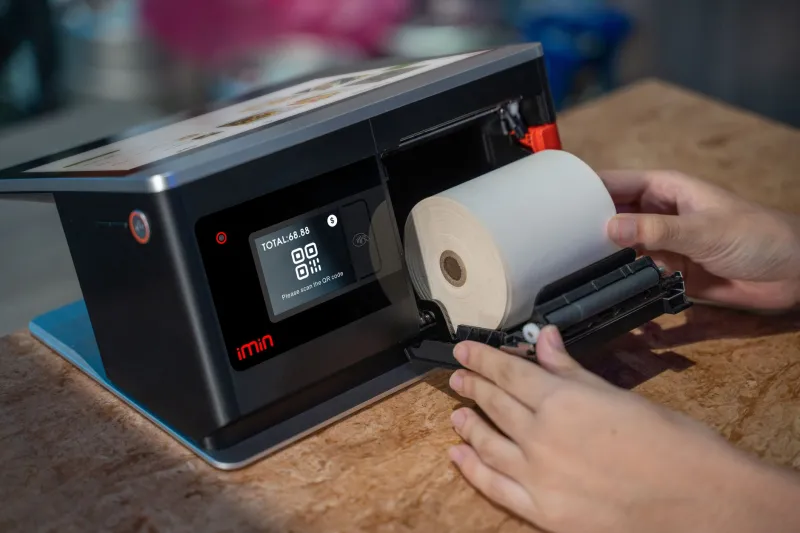
Walk into any office supply store or browse a bulk supplier online, and you'll find receipt paper at a huge range of price points. It's tempting to grab the cheapest option — paper is paper, right? Not exactly. What's printed on that little roll, how it's coated, and how long it actually holds up can make a surprisingly big difference to your bottom line. And beyond the dollars and cents, there's a growing environmental story here that small business owners in the US simply can't afford to ignore.
Why Cheap Thermal Paper Fades So Fast
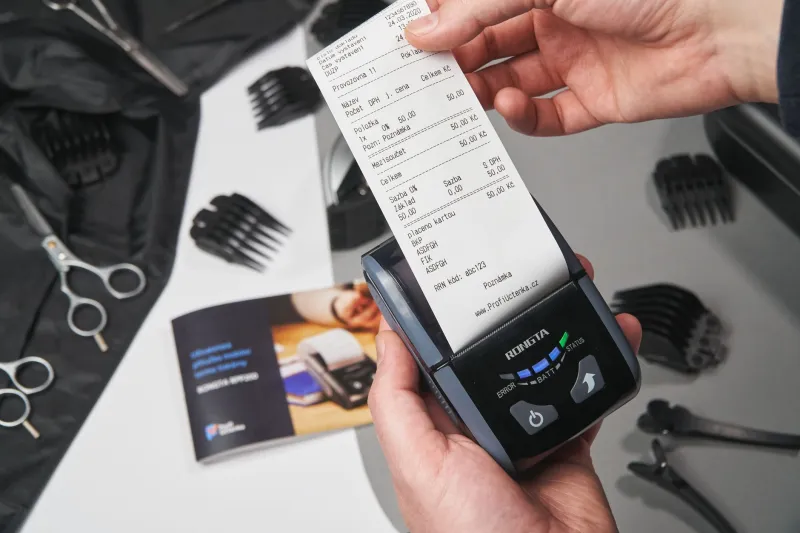
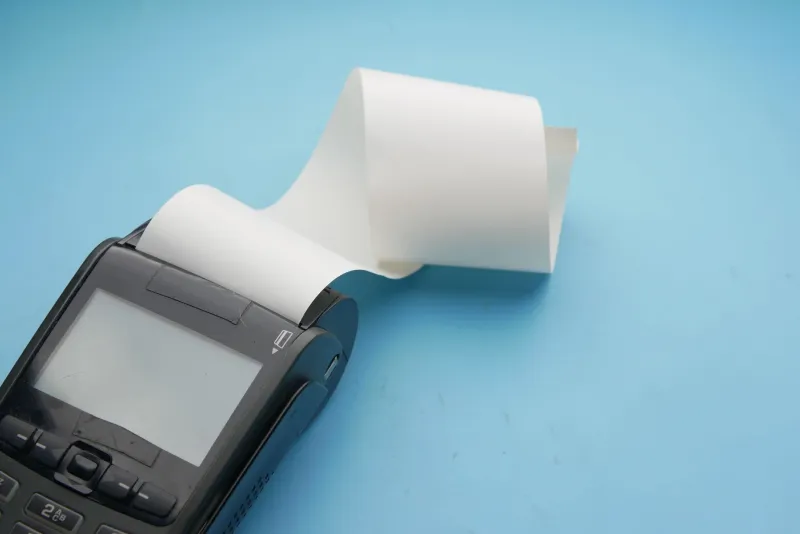
Most modern POS printers use thermal printing technology, which means they rely on heat-sensitive coatings rather than ink. The quality of that coating is everything. Low-grade thermal paper often uses a thinner, less stable chemical layer that reacts poorly to heat, light, and even the oils on human skin. The result? Receipts that start fading within weeks — sometimes days — of printing.
For customers, this is an inconvenience. For your business, it's a liability. Return policies, warranty claims, tax records, and expense reports all depend on legible receipts. When a customer comes back with a faded slip, you're stuck either taking their word for it or turning them away — neither of which feels great. And if you're the one keeping copies for accounting or compliance purposes, disappearing ink is a record-keeping disaster waiting to happen.
High-quality receipt paper, on the other hand, is manufactured to meet archival standards that can keep print legible for years. That's not marketing fluff — it's a measurable difference that affects real business operations every single day.
The Reprint Problem: A Hidden Budget Drain
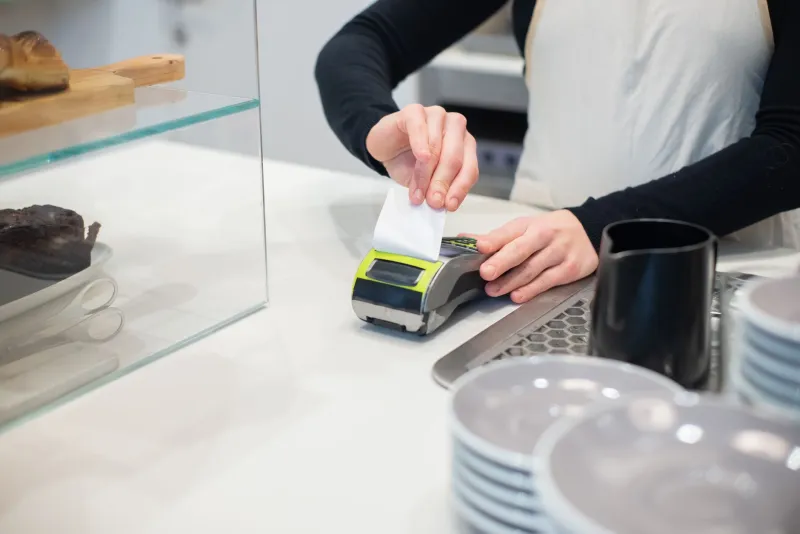
Here's something most retailers don't track closely enough: how often they reprint receipts. Jams, misfeeds, and faded output from subpar paper rolls force cashiers to reprint constantly. Each reprint uses more paper, more machine wear, and more employee time. Multiply that across a busy retail day, and you're looking at a surprisingly significant operational cost.
According to industry estimates, businesses using low-quality thermal paper can see paper waste rates up to 30% higher than those using premium stock. That's not just a cost-per-roll issue — that's rolls burning through faster, orders coming in more frequently, and storage space being eaten up. When you factor in shipping, handling, and the labor involved in restocking, the "cheap" paper starts looking a lot more expensive.
At Free Receipt Paper, we see this pattern constantly. Businesses come to us frustrated after burning through rolls that should have lasted twice as long, only to realize the savings they thought they were getting were completely wiped out by waste.
Paper Waste and the Environmental Angle
The US generates an enormous amount of receipt paper waste every year. Estimates suggest Americans receive billions of paper receipts annually, and a significant portion of that paper ends up in landfills. But here's the thing that doesn't get talked about enough: low-quality receipt paper is harder to recycle.
Many thermal papers contain bisphenol A (BPA) or its substitutes, chemicals used in the heat-sensitive coating. BPA-containing paper is generally not accepted in standard paper recycling streams, which means it goes straight to the trash. Premium, eco-certified receipt paper options are increasingly available in BPA-free formulations that are safer for both people and the environment — and some are even recyclable or compostable.
For businesses that are trying to build a greener brand image — and more customers are paying attention to this than ever — the type of receipt paper you use is actually a talking point. Switching to BPA-free, sustainably sourced stock is a small change with a real story behind it. And in today's market, a genuine commitment to sustainability can translate directly into customer loyalty.
Reputation on the Line
It might sound dramatic, but your receipt paper really can affect how customers perceive your business. A smudged, curled, barely-legible receipt handed over at checkout sends a subtle but real message. It says: we cut corners. Contrast that with a clean, crisp receipt that holds up in a wallet for months — that's a detail that signals professionalism and care.
Small businesses especially live and die by reputation. In tight-knit communities or competitive local markets, the little things matter. Customers notice. And in an era where online reviews can make or break a shop, giving someone a frustrating receipt experience — especially during a return or dispute — is a risk that isn't worth the few cents you saved per roll.
Matching Quality to Your Actual Needs
Not every business has the same receipt paper requirements. A food truck doing quick cash transactions has different needs than a boutique retailer with a detailed return policy or a medical office printing patient receipts. Understanding what your specific use case demands — print longevity, paper width, coating type, environmental certifications — is the first step toward making a smarter purchase.
At Free Receipt Paper, we make it easy to find the right roll without overpaying. The goal has always been to help small businesses get quality supplies at prices that actually make sense. That means not pushing the cheapest possible product just because it looks good on a price tag. It means helping you find paper that works reliably, lasts as long as it should, and doesn't create a pile of waste in the process.
The Bottom Line on Going Green
Switching to better receipt paper isn't a luxury — it's a practical business decision. When you account for reduced waste, fewer reprints, longer-lasting records, and the reputational benefit of using eco-conscious supplies, the math shifts pretty quickly. The upfront cost per roll might be slightly higher, but the total cost of ownership is lower. That's the kind of saving that actually shows up in your monthly numbers.
So next time you're restocking your POS supplies, take a second look at what you're buying. A little research goes a long way — and the right receipt paper can quietly make your operation smoother, greener, and more cost-effective all at once.