Your Receipt Is a Marketing Tool — Most Businesses Just Don't Know It Yet

Let's talk about the most underrated piece of real estate in your store.
It's not your window display. It's not your social media profile. It's the small strip of paper your customer walks away with every single time they make a purchase — and in most retail locations across the US, it's doing absolutely nothing beyond listing what they bought and what they paid.
That's a missed opportunity. A pretty significant one, actually.
Why Customers Actually Read Their Receipts
First, let's dispel a myth: people do read receipts. Maybe not every line item every time, but research consistently shows that receipt readership is higher than most business owners assume — especially among certain customer behaviors.
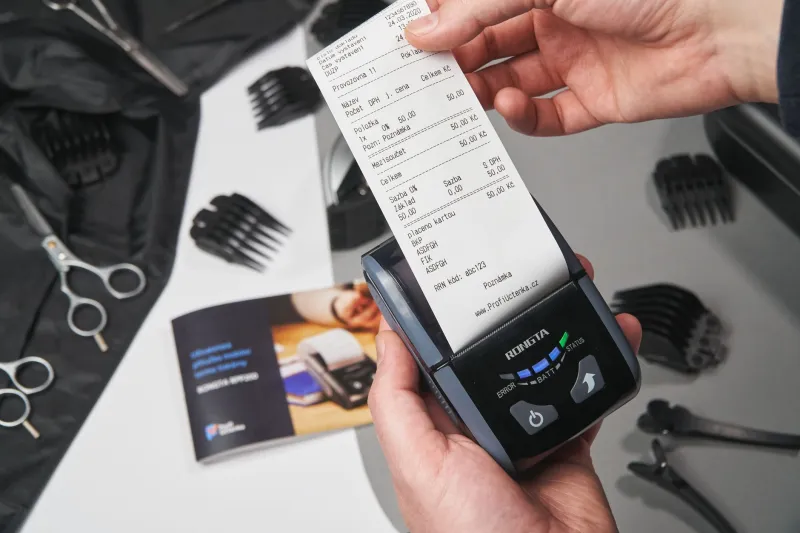
Customers read receipts when they're checking for errors. They read them when they're considering a return. They read them when they're expensing a purchase for work. They read them when they're budgeting and tracking spending. And increasingly, they read them because something on the receipt — a discount code, a survey link, a loyalty point total — caught their eye at the register.
That last category is the one that matters most for your marketing. Because that's an engaged reader. They're already in a positive transactional moment with your business. The purchase is done, the interaction was (hopefully) good, and now they're holding a piece of paper with your name on it. What does that paper say about you?
For most small businesses, the honest answer is: not much.
The Psychology Behind the Receipt Moment
There's something psychologists call the "peak-end rule" — the idea that people judge an experience based on how they felt at its most intense moment and at its end. The receipt handoff is literally the end of the transaction experience. It's the last touchpoint before your customer walks out the door.
A generic, faded, barely-legible receipt printed on low-quality thermal paper sends a subtle but real signal: this business doesn't sweat the details. Meanwhile, a crisp, clear receipt on quality paper — with a well-placed message, a promotional offer, or even just a friendly thank-you — lands differently. It reinforces that the whole experience was polished.
This isn't just theory. Retailers who've paid attention to their receipt experience report real downstream effects on customer sentiment and return visits.
What Smart Retailers Are Doing With Their Receipts
Some of the most effective receipt marketing strategies are surprisingly simple and low-cost to implement. Here's what's actually working out there:
Loyalty Program Callouts
If you run any kind of loyalty or rewards program, your receipt is the perfect place to remind customers about it — and to show them their current point balance or how close they are to a reward. That progress indicator is a proven motivator. Seeing "You're 50 points away from a $5 reward" on a receipt has driven return visits that no amount of email marketing could match.
Discount Codes for Next Visits
A simple "Use code THANKS10 for 10% off your next visit" printed at the bottom of every receipt is remarkably effective. It's targeted (only people who already bought from you see it), it's low-cost to offer, and it gives customers a concrete reason to come back. Some retailers rotate these codes seasonally to create a sense of freshness and urgency.
Customer Feedback and Survey Links
Receipts are one of the cleanest ways to drive customer feedback. A short URL or QR code linking to a quick survey — especially when paired with a small incentive like a discount or entry into a drawing — can generate response rates that blow email surveys out of the water. You're catching the customer right after the experience while it's still fresh.
Social Proof and Social Invitations
A small line like "Love us? Tag us on Instagram @YourStore" costs nothing to add and builds your social presence organically. Customers who had a great experience are often happy to share it — they just need a nudge at the right moment.
Seasonal and Event Promotions
Receipt paper rolls are inexpensive enough that printing event-specific messaging is practical. Running a holiday sale? A weekend special? A new product launch? Your receipt can carry that message to every customer who transacts during that period.
The Role of Receipt Paper Quality in All of This
Here's where it gets practical for a site like ours: none of this marketing potential matters if your receipt paper quality is working against you.
Low-grade thermal paper fades quickly. A receipt that's illegible two weeks after printing isn't just annoying for the customer trying to make a return — it's an embarrassment for your brand and it makes any promotional messaging completely useless. If your discount code has faded to the point where the customer can't read it, you've wasted that marketing moment entirely.
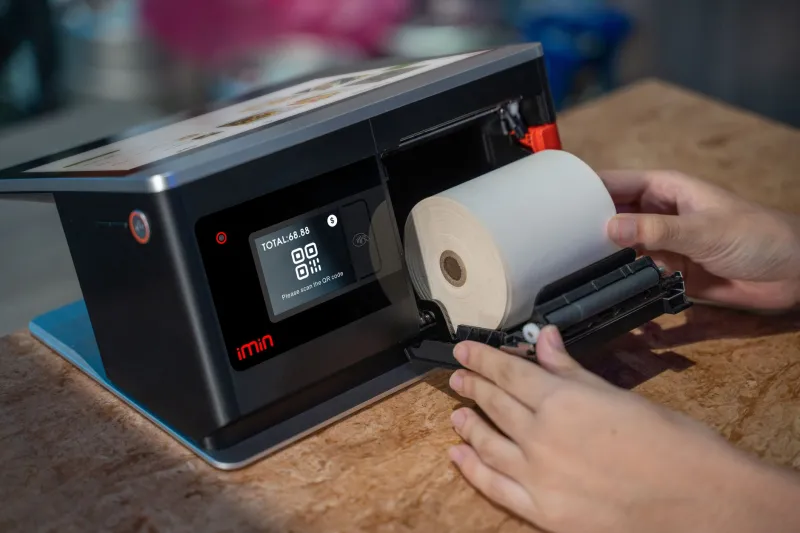
Quality thermal paper holds its print longer, produces crisper text, and handles the heat of a busy print environment without streaking or ghosting. For businesses that print logos or graphics on their receipts — which is increasingly common and increasingly affordable — the paper quality matters even more. A blurry logo on a smudged receipt is worse than no logo at all.
At Free Receipt Paper, we're big believers in the idea that the right paper is the foundation everything else is built on. You can have the best promotional copy in the world, but if it's printed on rolls that fade, jam your printer, or feel cheap in the customer's hand, you've undermined the whole effort.
Getting Started Without Overcomplicating It
If you're just starting to think about receipts as a marketing channel, you don't need to do everything at once. Start with one thing:
Add a thank-you message and your social handle. That's it. Program it into your POS system's receipt footer, and you're already doing more than most of your competitors.
Once that feels normal, layer in a discount code or a loyalty program reminder. Then maybe a seasonal callout. Over time, your receipt evolves from a transaction record into a genuine brand touchpoint.
The cost of making these changes is minimal. The upside — in repeat visits, customer goodwill, and brand perception — can be substantial.
The Takeaway
Your receipt is the last thing your customer takes from you. Make it count. Whether it's a simple thank-you, a smart promotion, or a loyalty nudge, that small slip of paper has more potential than most business owners ever tap into.
And it all starts with making sure the paper itself is good enough to carry the message.